

 United Kingdom
 Germany
 Argentina
 Australia
 Canada
 New Zealand
Last quarter, an auto-parts exporter in Gurugram did everything “right.” Production was on time, buyer was ready, and the container left for Nhava Sheva as planned.
Then rates spiked, a documentation mismatch triggered a hold, and the shipment missed the vessel cut-off. The exporter didn’t just lose time—he lost bargaining power, paid extra charges, and risked the buyer relationship.
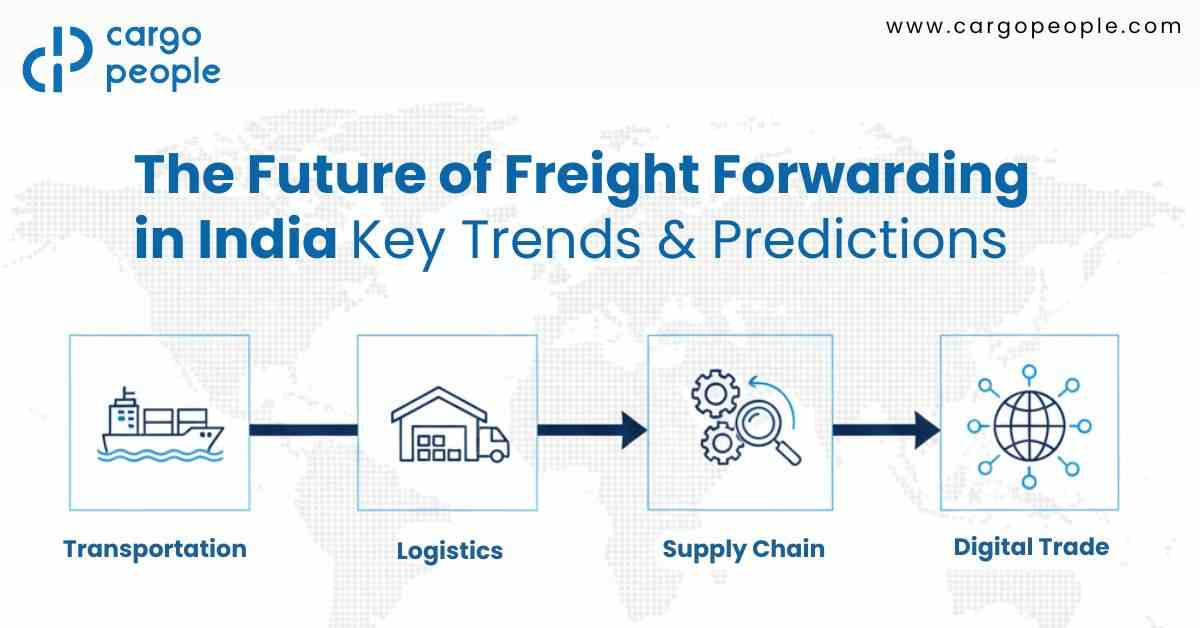
That’s the real shift happening in India today: freight forwarding is no longer just booking cargo. It’s becoming a mix of data, compliance, speed, and risk control—and businesses that adapt will ship faster, cheaper, and with fewer surprises.
Freight forwarding in India is changing faster than most shippers expect
India’s logistics ecosystem is being reshaped by policy reforms, infrastructure upgrades, and customer expectations for visibility and predictability. At the same time, global disruptions—from Red Sea diversions to container imbalance—are making “business as usual” expensive.
-
Freight forwarders are moving from “service providers” to supply chain partners
-
Decisions are becoming more data-driven (rates, routing, ETAs, risk)
-
Shippers expect forwarders to reduce demurrage, prevent delays, and improve compliance—not just quote prices
Key trends shaping the future of freight forwarding in India
Freight forwarding future strategies are now built around five big themes: digital visibility, multimodal agility, compliance control, sustainability, and resilience.
-
Forwarders who invest in systems and planning will win higher-value accounts
-
Shippers who choose the right partner will reduce landed cost volatility
-
SMEs can compete with larger exporters by using consolidation, smarter routing, and better documentation discipline
Digital freight forwarding and real-time visibility will become the default
Digitalization is shifting from “nice to have” to “non-negotiable.” The expectation is simple: your forwarder should tell you where your cargo is, what’s next, and what could go wrong—before it happens.
-
Real-time tracking across milestones (pickup → terminal → vessel/flight → destination)
-
Predictive alerts for delays, missed cut-offs, and clearance flags
-
Automated documentation workflows to reduce manual errors
-
Data-backed freight procurement (spot vs contract, forecasted rate lanes)
Mini story: A Mumbai importer reduced surprise detention charges by setting up milestone alerts and pre-alert documentation checks—catching invoice and HS code issues before arrival instead of after.
India’s push for digital trade facilitation will reward compliant shippers
Government-led platforms and process changes are steadily reducing friction—but only for those who operate cleanly. The future belongs to exporters/importers who treat compliance as commercial planning, not last-minute paperwork.
-
Better integration of logistics and customs systems increases speed and traceability
-
Documentation digitization reduces turnaround time and human error
-
Risk-based customs scrutiny means inaccuracies get flagged faster
What to do as a shipper:
-
Lock HS codes early and keep classification logic documented
-
Standardize invoice/packing list templates across vendors
-
Pre-validate IEC, AD code, GSTIN linkages and product certificates
-
Build a “shipment file” checklist before cargo moves, not after
Multimodal logistics and corridor planning will drive cost savings
The next phase of supply chain India growth is not just about ports—it’s about connectivity. Shippers will increasingly mix road + rail + sea/air based on cost, speed, and reliability.
-
Rail and coastal movement can reduce cost for certain commodities
-
Inland container depots (ICDs) and CFS planning can cut congestion risk
-
Smart corridor choices reduce total transit time variability
How this impacts your shipments:
-
Don’t choose a route just on transit time—choose it on transit time consistency
-
The cheapest freight often becomes the most expensive when delays trigger storage, detention, or missed delivery penalties
Mini story: A Ludhiana engineering exporter shifted from direct port trucking to a planned ICD handover model, improving cut-off reliability and avoiding last-minute trucking premium.
Consolidation and smarter container utilization will separate winners from losers
Freight rate volatility punishes poorly planned loads. Many Indian shippers still ship partially filled containers or rush air shipments that could be consolidated.
-
LCL consolidation can reduce cost for SMEs shipping smaller volumes
-
Right-sizing FCL (20’ vs 40’ vs HC) reduces underutilization loss
-
Planned dispatch cycles help you shift from spot rates to better contracts
Mini story: An apparel exporter in Tirupur avoided urgent air freight by switching to weekly LCL consolidation—saving significant logistics cost while maintaining buyer timelines.
Sustainability and green logistics will influence contracts and compliance
More buyers (especially in the EU and US) are asking for carbon reporting and sustainable logistics choices. Freight forwarding future-ready companies will offer greener options—not just faster options.
-
Route optimization reduces emissions and cost
-
Modal shift (where possible) can cut carbon footprint
-
Packaging optimization improves container utilization and reduces waste
-
Sustainable warehousing and EV-first last mile will grow in urban corridors
Business takeaway: Green logistics is becoming a commercial advantage, not just a brand decision.
Risk management will become a paid-forwarder capability
The next generation forwarder will be measured on risk prevention, not only freight rates. Global disruptions have made contingency planning a real requirement.
-
Diversion planning (alternate ports, alternate carriers)
-
Buffer time planning for peak season congestion
-
Insurance and liability awareness (what’s covered, what’s not)
-
Documentation risk audits before shipment departure
One common failure: cargo insured incorrectly (or not insured at all), then damage occurs and claim gets rejected due to mismatch between invoice, policy coverage, and declared value.
Real-world risk example: how non-compliance turns into demurrage and penalty
A Delhi-based importer brought consumer goods with inconsistent product descriptions between invoice and packing list. Customs flagged the consignment for examination and valuation checks. The cargo sat longer, storage charges accumulated, and the importer faced both delay and extra cost.
What went wrong:
-
Documentation mismatch looked like under-declaration risk
-
No pre-check process before filing
-
No escalation plan when delays started
How proactive freight planning avoids it:
-
Document standardization + pre-validation checks
-
Accurate HS classification and declaration discipline
-
Forwarder-led compliance review before cargo arrival
-
Early issue escalation instead of waiting for “updates”
What smart Indian exporters/importers should do now
Here’s a practical checklist to prepare for the next 12–24 months:
-
Choose forwarders who provide visibility, escalation support, and documentation discipline
-
Build shipping SOPs (templates, HS codes, shipment file checklist)
-
Plan loads and dispatch cycles to reduce spot-rate exposure
-
Use consolidation models to reduce cost without losing delivery promises
-
Treat compliance as part of commercial planning, not operations firefighting
-
Run quarterly “logistics health checks” on top lanes and top vendors
Conclusion: the future belongs to proactive shippers
The future of freight forwarding in India will reward businesses that ship with planning, visibility, and compliance control. Ignoring freight strategy doesn’t just increase cost—it increases risk: missed deliveries, demurrage, customer loss, and regulatory trouble.
Cargo People helps Indian importers and exporters reduce delays, control landed costs, and ship with confidence—across air freight, sea freight (FCL/LCL), customs clearance, and door-to-door logistics.
📞 +91 78350 06245 | 📧 wecare@cargopeople.com
Book a Consultation with Cargo People Logistics